Centralized Matter Management: Visibility for Global Legal Departments

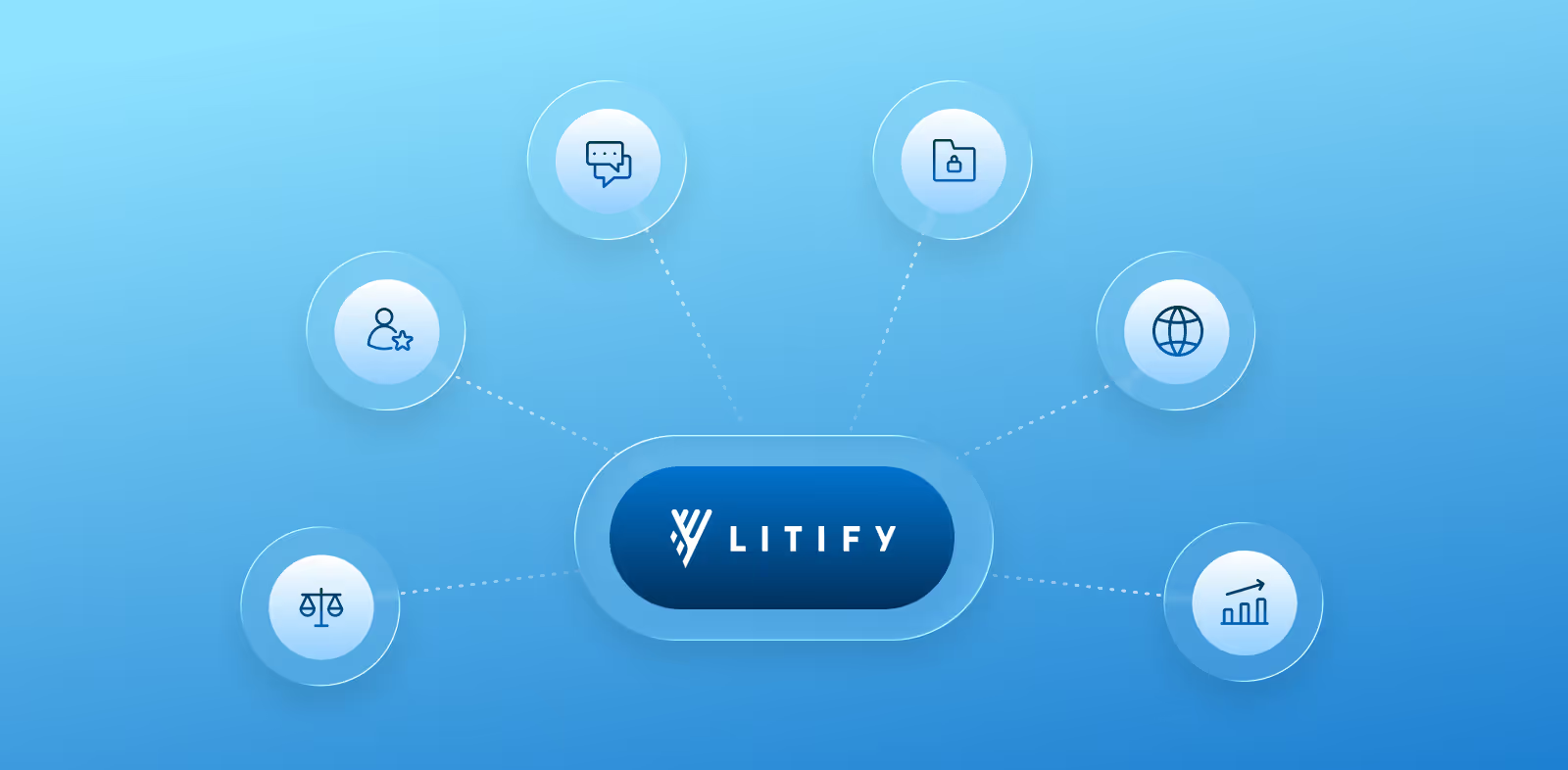
Centralized matter management helps global legal departments keep track of work that spans regions, teams, and outside counsel. When everything lives in the same platform, it becomes easier to see how matters move forward and where delays or risks may appear. Routing rules send requests to the right teams, while dashboards and analytics highlight workload trends and performance over time. This structure replaces scattered processes with a more consistent way of working. Platforms like Litify support this model by bringing enterprise legal management tools, integrations, and analytics together in one place.
For global legal departments, visibility depends on having a single place to manage work from intake to resolution. Centralized matter management gives teams that foundation by bringing matters, legal service requests, documents, and reporting into one system.
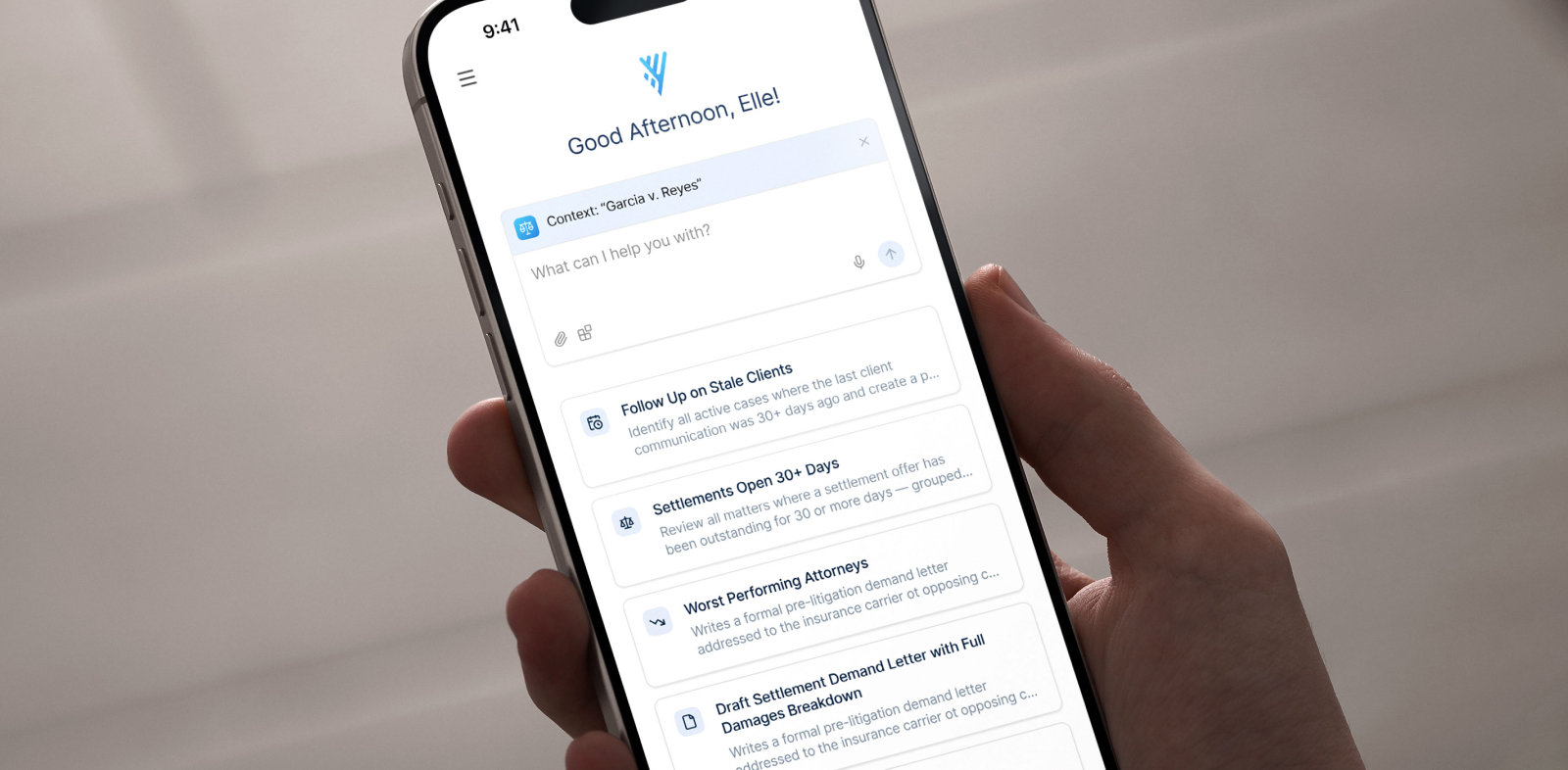
With a shared structure, distributed teams can break down silos and gain 360° visibility across regions, business units, and matter types. Legal can see what is open, who owns it, what needs attention, and where work may be slowing down. The wider business also gets a clearer path to legal through standardized intake and self-service resources that guide employees through submitting requests.
Routing rules add another layer of control by automatically assigning matters based on criteria like geography, practice area, or risk. That helps legal departments move faster and follow consistent processes across jurisdictions.
Litify stands out as an enterprise legal management software platform built for this level of scale. As an AI-native platform of action, it connects matters, legal workflows, and analytics, enabling teams to manage their work with greater visibility into operations.
What are the challenges of managing legal matters in distributed global teams?
Trying to manage work across distributed legal teams creates three problems at once:
- Information gets split across systems
- Decisions slow down across time zones
- Teams follow different processes for similar work
These gaps create an administrative headache, but they also affect how quickly legal can respond to requests and how consistently policies are applied across regions.
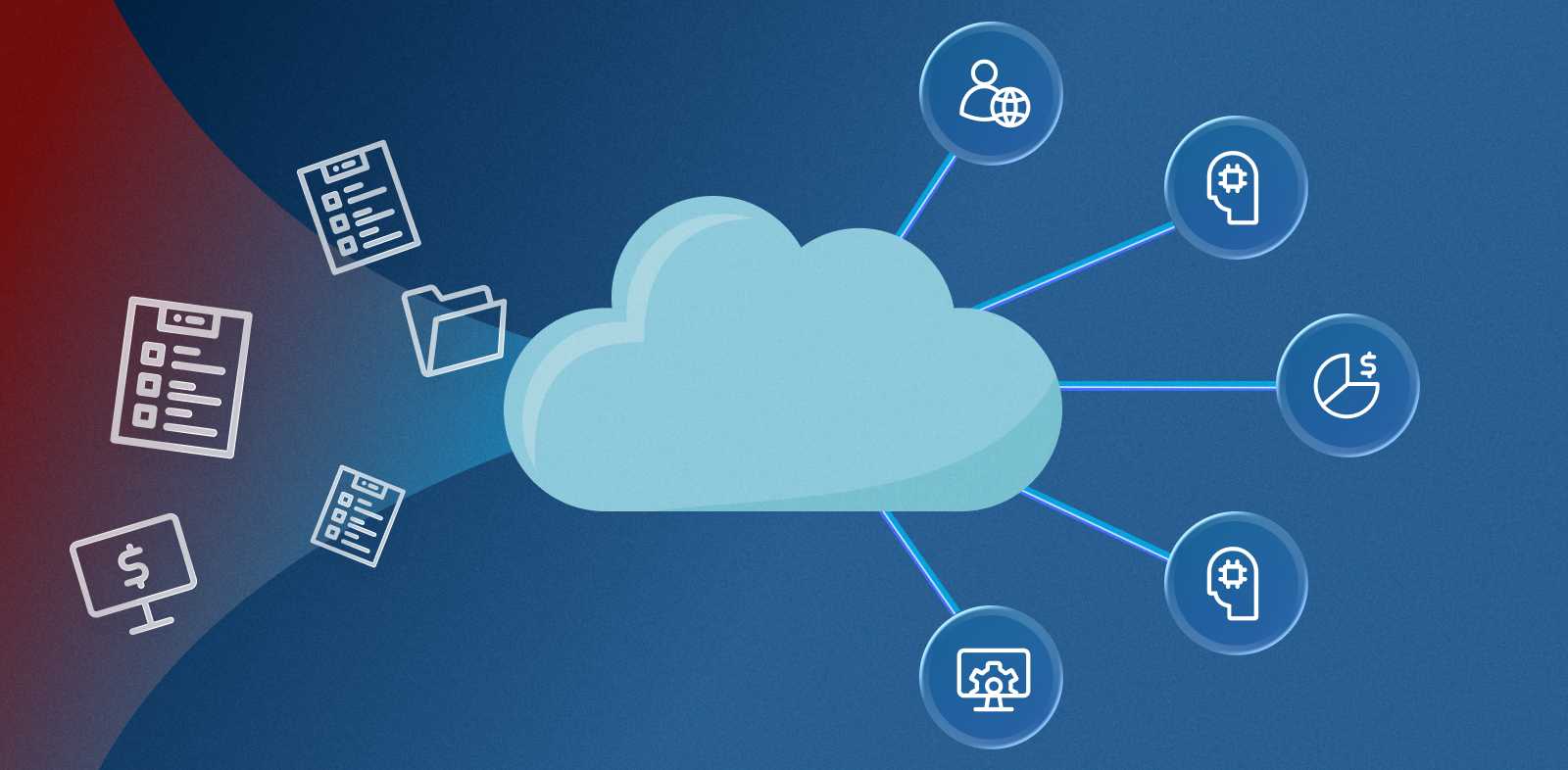
Legal requests can arrive through different channels depending on location or business unit. One region may rely on a shared inbox. Another may track requests in spreadsheets. A third may log matters in a separate tool. When this happens, the legal team loses the shared structure needed to consistently track and report on work.
Breakdowns often appear at these points where work moves between departments or regions. A request may land with the wrong group and have to wait for reassignment, or leadership reports can come back incomplete because regions capture data in different formats.
These issues will quickly disrupt global collaboration.
What is centralized matter management?
At its core, a centralized matter management system consolidates intake, workflows, documents, legal holds, and reporting into a single platform. This structure gives legal departments a single source of truth across the full matter lifecycle.
It makes good business sense to invest in legal matter management software rather than rely on a patchwork of tools. A modern system doesn’t stop at tracking names and dates. It also brings together intake, outside counsel activity, eBilling, documents, and analytics so teams can see the full picture from request to resolution.
Inside enterprise legal management, that system usually includes:
Matter intake
Matter intake creates a structured front door for new legal work. Teams capture the same key details every time a matter begins.
Legal service requests
Business teams often need guidance from legal, but don’t always know where to send their requests. A defined legal service request channel gives employees a reliable way to submit questions, access self-service resources, upload documents, and track status.
Workflow automation
Automated workflows guide matters through the right sequence of steps based on the type of issue, helping teams assign responsibility, track tasks, and keep deadlines visible.
Legal holds
Preservation obligations require careful coordination across people and systems. When hold notices, custodians, and acknowledgment tracking live alongside the matter record, teams can monitor compliance in one place.
Reporting dashboards
Dashboards turn everyday legal activity into information leaders can actually use. Teams can see where matters stand, which areas are carrying the most work, and where progress may be slowing.
Documents
Every legal matter generates contracts, correspondence, filings, and supporting records. Keeping these files connected to the matter record makes them easier to locate and review throughout the lifecycle of the work.
How centralized matter management enables 360° visibility
Centralization makes it possible to follow legal work from intake through resolution within one connected system. Several key capabilities make that visibility possible:
Unified matter intake across all channels
Standard forms, portals, and request workflows give legal departments a consistent way to collect information when new work arrives. Gathering the right details up front reduces ad hoc submissions and makes it easier to review requests.
For the business, a well-designed legal request intake system creates a clear path to legal support. Employees know where to submit requests, what information to include, and how the request will move forward.
Intelligent routing for distributed teams
Once intake is standardized, the next step is automating matter intake. Work can be assigned based on region, practice area, business unit, urgency, or risk level to keep the request from stalling while someone decides who should own it.
For employee requests that can be handled via a self-service portal, teams can provide documents, FAQs, and resources to speed up request resolution.
Real-time matter tracking across jurisdictions
Strong corporate legal dashboards make it easier to see open work by region, track aging matters, and flag bottlenecks before they become missed deadlines.
Centralized document management also helps keep work aligned. Storing files within the matter record allows teams to reference the same documents as a matter moves forward.
Integrated legal holds and compliance tracking
Legal holds pose a real risk when managed outside the main workflow. Centralizing them makes the process more defensible. It also gives legal and compliance teams a better way to track custodians, notice status, acknowledgments, and hold release steps in context.
Role-based dashboards for leadership visibility
Different roles in the legal department rely on different levels of insight. Leadership typically reviews the full portfolio of matters, while legal operations teams track trends across workload, turnaround times, and risk exposure. Attorneys and support staff need a clearer view of the tasks associated with each matter.
These perspectives come together through role-based reporting supported by legal operations analytics. Each group can access the information relevant to their responsibilities while working from the same underlying data.
Visibility across the full matter lifecycle
Taken together, these elements give legal departments a clearer view of each matter as it progresses:
- Documents remain linked to the record
- Outside counsel activity appears in context
- eBilling data shows how work and spend evolve over time
With that information connected, teams can review the full history, and AI tools can analyze the data behind it.
The power of routing rules in distributed teams
Routing rules for legal matters are one of the simplest ways to improve global legal operations. Instead of sending every request into a general queue, routing rules sort work by criteria such as jurisdiction, language, business unit, matter type, risk score, or attorney workload.
Picture a multinational company handling employment, privacy, commercial, and compliance work across several regions. Without routing logic, requests would pile up in shared inboxes and then have to be reassigned manually.
Automated routing sends privacy matters to the appropriate regional team, helps employees self-serve answers to common questions, directs high-value contract reviews to senior counsel, and separates routine requests from higher-risk issues that require additional oversight. This helps legal move faster, but the bigger value is consistency for everyone involved.
From reactive to proactive: The shift enabled by centralization
Legal departments often have to operate in a reactive mode when they rely on separate systems to track their work.
Before centralization:
- Matters are tracked in multiple systems or spreadsheets
- Status updates require manual follow-ups
- Reports must be assembled from several data sources
- Legal leaders only see problems after delays begin
But when legal work moves through a centralized platform, these teams gain the visibility needed to manage matters more proactively.
After centralization:
- Bottlenecks become visible by region or practice area
- Rising intake volume can be identified earlier
- Turnaround times can be compared across teams
- Outside counsel activity appears alongside the full matter timeline
Best practices for implementing centralized matter management
A good rollout starts with the process before technology. These steps can help guide that transition:
- Map how work enters the legal team today. Start by reviewing the paths requests follow before reaching legal. Look at where matters originate, how they move between teams, and where processes differ by region. From there, identify which data points should be captured consistently across the organization.
- Choose an enterprise legal management platform that supports those workflows. The system should adapt to the legal team's workflow rather than imposing rigid processes. For multinational teams, this usually means configurable matter plans, strong integrations with business systems, clear reporting, and the ability to handle global eBilling requirements.
- Train teams on how to use the system. Adoption improves when the intake process is straightforward, and dashboards align with each user’s role. Teams also need to understand which information they are responsible for capturing so that matter records stay complete.
- Measure the rollout with metrics that show whether visibility is actually improving. Good examples include matter cycle time, reassignment rates, intake completeness, dashboard adoption, outside counsel response times, and time-to-owner for new matters.
How Litify supports visibility across global legal teams
With Litify, legal departments gain a better view of how work moves across the organization. They can:
- Track matters from intake through resolution in one place
- Route legal service requests automatically to the right teams using intelligent workflows
- Keep documents, legal holds, and activity tied to the same matter record
- Monitor outside counsel spend and eBilling activity alongside the matter timeline
- Use reporting, analytics, and AI insights to understand workload, risk, and performance trends
This connected structure supports stronger global legal team collaboration and gives leadership a 360° view of legal activity across jurisdictions.
For organizations evaluating ELM software or legal matter management software, visibility ultimately depends on connected data. Litify enables teams to track work more reliably, respond faster, and operate with greater consistency across the business.
Request a demo to experience Litify's AI-native platform of action.
FAQs
How do routing rules improve workflows for distributed global teams?
Routing rules send new matters directly to the right team based on factors such as region, type, risk level, or workload. This reduces manual reassignment and helps requests move through the system faster while maintaining consistent handling across offices.
Can centralized matter management software integrate with existing tools?
Yes. Many enterprise platforms and tools integrate with the wider business system landscape. Litify works with tools such as Outlook, DocuSign, Workday, SAP, and QuickBooks, allowing legal teams to manage matters while staying aligned with the systems used across the organization.
How does Litify support legal hold management in global organizations?
Litify supports legal hold management by tying preservation activity directly to the matter record within its enterprise legal management platform. Documents, workflows, and legal hold notices remain linked to the same record, allowing teams to track custodians, acknowledgments, and release steps in context. This centralized structure helps legal and compliance teams monitor hold activity more clearly and maintain a defensible audit trail across matters.
What ROI can global legal teams expect from implementing ELM software?
The exact return varies by organization, but many teams see improvements in the speed at which work moves through the legal department. Standardized intake, clearer matter tracking, and stronger reporting reduce manual coordination and make workloads easier to manage.
Over time, ROI often manifests as shorter matter cycle times, better use of staff capacity, stronger visibility into outside counsel activity, and less time spent building reports across multiple systems.
What are the key benefits of centralized matter management for global legal teams?
The biggest gains of centralized matter management are:
- A single source of truth
- More consistent intake
- Better cross-border collaboration
- Cleaner document control
- Stronger visibility into legal holds and spend
- Reporting that leadership can trust