Corporate Legal Reporting For Data-Driven Departments

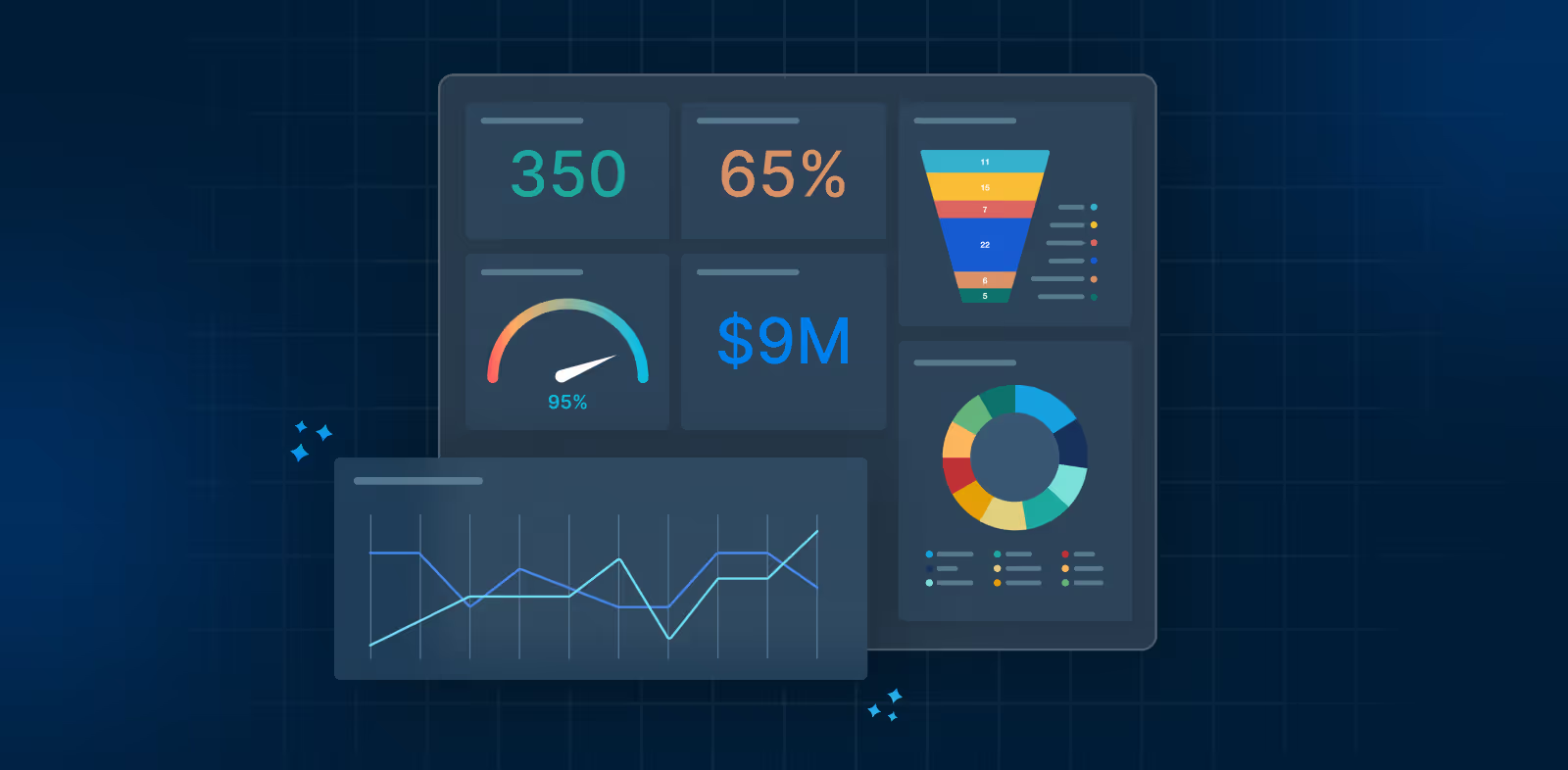
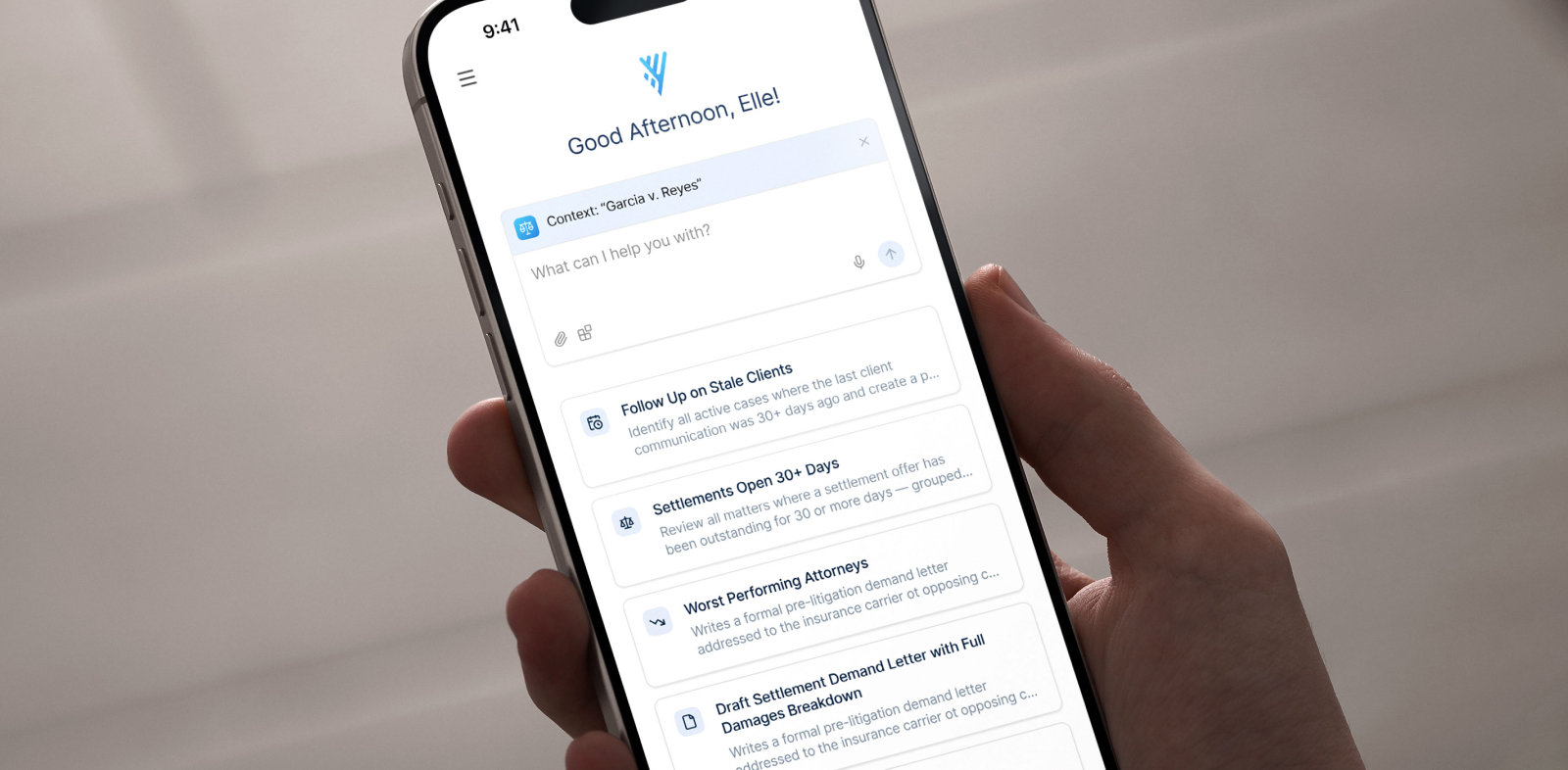
Legal departments today operate in a world driven by metrics, where every number tells a story. This blog explains how Litify helps legal teams turn that insight into action. Using AI-driven analytics, real-time dashboards, and configurable reports, Litify gives corporate legal departments a single source of truth that fuels accountability, planning, and measurable business value.
When legal data is siloed or outdated, it becomes challenging for corporate legal departments to connect the dots between effort and outcomes, hindering their ability to drive the rest of the business forward.
Litify is one way to bridge the gap. By making reporting flexible and role-specific, it turns legal insights into business impact.
Discover how better performance tracking helps tie your legal work to real business results.
The role of reporting in corporate legal operations
Reporting helps corporate legal teams stay ahead of what’s working and what needs attention. It shapes both daily priorities and long-term strategy, guiding how legal proactively supports the business.
As workloads grow and expectations rise, monthly summaries are no longer sufficient. Legal leaders need to be able to see spend, outcomes, and risk so they can respond as priorities shift. With the right systems in place, teams can make informed choices and clearly show the value they deliver.
Overcoming data silos and manual reporting challenges
The visibility teams require today is hard to achieve when data is scattered. If different tools hold matter details, invoice updates, and performance metrics, reporting becomes a slow and tedious process. By the time the numbers are pulled together, you’re already behind on decision-making.
These gaps also increase the likelihood of errors and limit the actions teams can take. A unified platform of action like Litify keeps data flowing automatically from intake to invoicing, so you can gain valuable insight from the numbers you’re collecting.
How reporting and AI-driven insights drive business value for legal teams
Once reporting is reliable and up to date, it can guide your team on the next steps to take. When leaders can plan ahead, they make more informed choices about staffing and spend. The work feels more coordinated, and the connection between legal outcomes and business goals becomes clear.
AI legal analytics can help bring clarity to in-house teams. Teams can see which vendors perform best and where matters tend to stall. They also get an early view of budgets that are starting to drift, giving them time to act before issues grow.
What are the key metrics and KPIs every corporate legal department should track?
Effective reporting and insightful analysis are fueled by having the right legal department KPIs in place. The most relevant metrics provide teams with a live view of performance and a clear path toward improved results.
Matter management and workflow efficiency metrics
Matter management metrics provide a window into daily operations. KPIs include how quickly the legal team responds to internal requests, attorney case velocity, the number of cases in backlog, and matter statuses.
Live dashboards in Litify make trends easy to spot. If one attorney is overloaded while another has open bandwidth, or if certain types of matters consistently get delayed at the same stage, managers can become aware of this through their personal dashboards.
Legal spend and cost optimization reporting
Spend data tells its own story. Tracking outside counsel costs, invoice aging, budget-to-actual comparisons, and per-matter or per-practice area spend helps legal departments stay ahead of surprises.
Instead of waiting for finance to flag issues after the quarter ends, you can monitor spend as it happens. If a matter is trending over budget or if a vendor’s bills regularly fall outside of guidelines, this is immediately apparent, and leaders can course-correct before it becomes a bigger issue.
Teams can also report on ROI to connect legal’s investments directly to outcomes the business cares about.
Risk and compliance monitoring KPIs
Corporate legal teams are responsible for protecting the organization from risk. Reporting on compliance activities helps identify where attention is needed.
Litify surfaces these red flags in context. The system indicates where exposure is increasing and can provide guidance on how to prevent escalation.
Best practices for implementing effective legal reporting systems
Once you know which metrics matter most to your legal department, the next step is building a system that keeps those insights front and center.
1. Selecting the right tools for legal analytics and dashboards
Modern tools should offer up-to-date visibility and flexibility. Look for platforms that create a single source of truth by combining every stage of the legal workflow with AI legal analytics, configurable dashboards, and secure access.
Litify’s reporting capabilities provide all of that, leveraging the power of the Salesforce platform. Data remains current without extra work, and insights are always readily available, whether on desktop or mobile.
2. Creating custom reports and visualizations for stakeholders
Different roles need different information. General counsel may focus on spend trends and risk exposure, while the legal operations team wants to understand where requests get stuck or which matters burn the most time.
Litify makes reporting more accessible with flexible visualizations and unlimited filters. Teams can create dashboards that highlight progress against KPIs and surface high-impact matters, or show how quickly requests move toward resolution.
3. Establishing reporting and feedback loops
Reporting is not a one-time project, but an ongoing process. Setting regular review cycles helps keep metrics aligned with evolving goals and priorities.
AI also helps close the loop by monitoring patterns and highlighting changes that warrant attention. Over time, this continuous feedback helps teams refine their processes and improve their performance.
How Litify transforms legal data into actionable insights
After you’ve built the right reporting framework, the next step is putting it into action. Litify helps legal teams gather data they need and actually use it to make smarter decisions, faster.
Real-time dashboards for instant legal decision-making
Litify’s dashboards update automatically. That means no waiting for someone to pull a report and no guessing whether the information is up to date.
You can track request volume, spending trends, and team capacity, and then take action right from the same platform. Need to fix an error? You can edit a field directly. Want to drill into an issue? Click through for the full context.
With everything right in front of you, decisions become much easier to make.
AI-powered predictive analytics in corporate legal
It’s one thing to report on the past. It’s another to spot patterns and act before issues unfold. Litify AI transforms historical data into foresight, surfacing patterns you’ll want to be aware of. Agentforce provides teams with autonomous agents that can accomplish tasks and uncover deeper insights.
Unified reporting for complete legal visibility
Consistency matters when legal is under pressure to perform. Litify integrates with the platforms you already use to create one reliable view of your entire legal operation.
From open matters to invoice history, everything lives in sync. Each data point is tied back to its source, providing legal with an accurate view that holds up under scrutiny.
Roadmap to adopting advanced reporting in your legal department
Moving from static reports to dynamic dashboards doesn’t happen overnight, but it is achievable with these steps:
- Assess your data landscape: Start by mapping where your data lives and how it flows across various tools. Then pinpoint what’s missing, what’s duplicated, and which systems can’t share information.
- Define your goals: Are you trying to speed up approvals? Get a clearer view of legal spend? Track matter progress more reliably? Be specific about the outcomes that matter most to your team.
- Select the right tools: Look for platforms that fit your size, meet your security standards, and work with the systems you already use. Prioritize solutions that can grow with your team and keep insights connected across every function.
- Plan for training and adoption: Your tools only work if your team knows how to use them effectively. Ensure that people understand what the reports show and how to take action on their findings.
- Measure, refine, repeat: Treat reporting as an ongoing process. See what’s working and update your KPIs as the business evolves.
With Litify, your legal team can take this one step at a time. Start with a few key reports, expand as your needs grow, and build a system that actually supports the way you work.
Future-proofing corporate legal with innovative reporting solutions
As legal operations become increasingly complex, data will become even more central to success. Future-ready reporting is about using the right insights at the right time.
Litify’s ongoing innovations, including AI enhancements and predictive dashboards, help corporate legal departments stay ahead of that curve.
Request a demo for your legal department to see how our corporate legal software brings the information you need together in one place.
FAQs
How does Litify integrate AI into legal analytics and insights?
Litify AI helps legal teams see what’s coming. By analyzing trends across vendors, matters, and budgets, it identifies risks, predicts overruns, and highlights areas for operational improvement before issues escalate.
Can Litify’s reporting tools handle large-scale enterprise data?
Yes. Since Litify leverages the power of the Salesforce platform, it supports enterprise-level reporting with robust performance, security, and scalability. Teams can follow millions of data points without delays or system limits.
What types of customizations are available in Litify dashboards?
Every team sees exactly what they need. Whether it’s a General Counsel tracking risk exposure or a legal operations lead managing intake, dashboards can be tailored by role, department, or KPI. You can filter and turn any data point into a next step.
How secure is my legal data in Litify reporting dashboards?
Litify follows Salesforce’s enterprise-grade security standards, including encryption, access controls, and audit logging. Legal teams can confidently manage sensitive data within strict compliance frameworks.
What KPIs should legal departments prioritize?
The most helpful KPIs reflect how legal supports the business. That might include matter cycle time, average cost per matter, invoice aging, or risk resolution rates. The key is using metrics that lead to action.